by Ricky Toledano
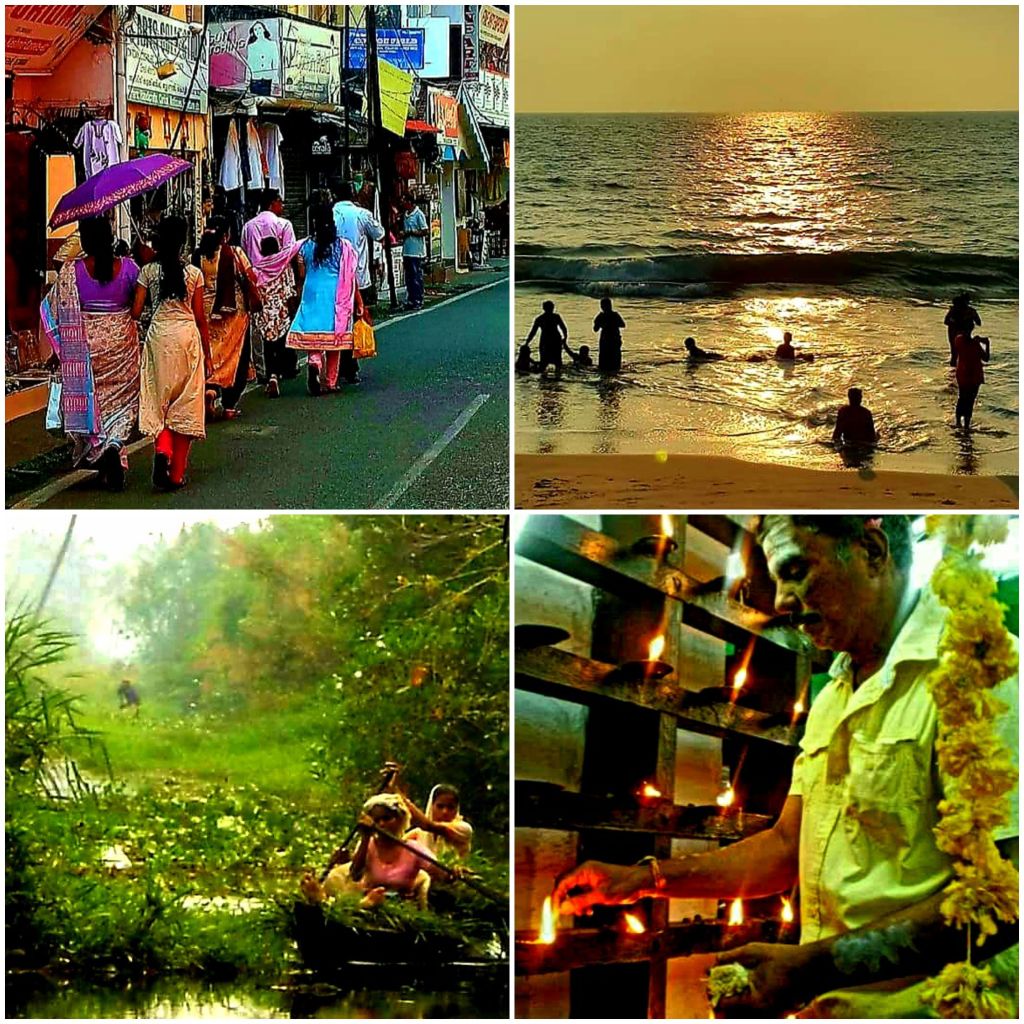
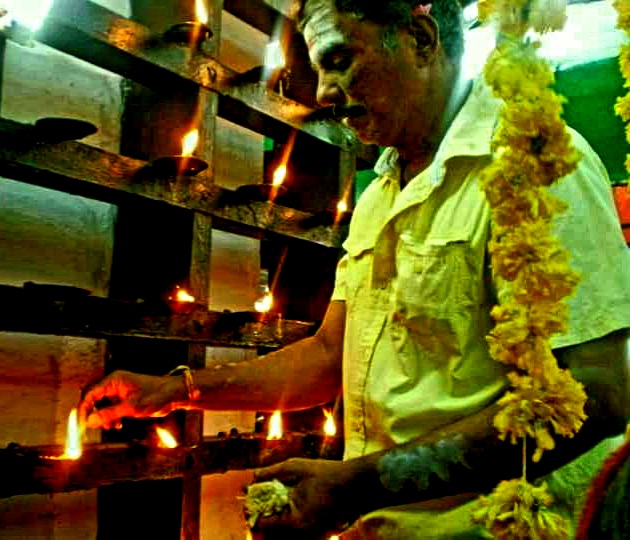
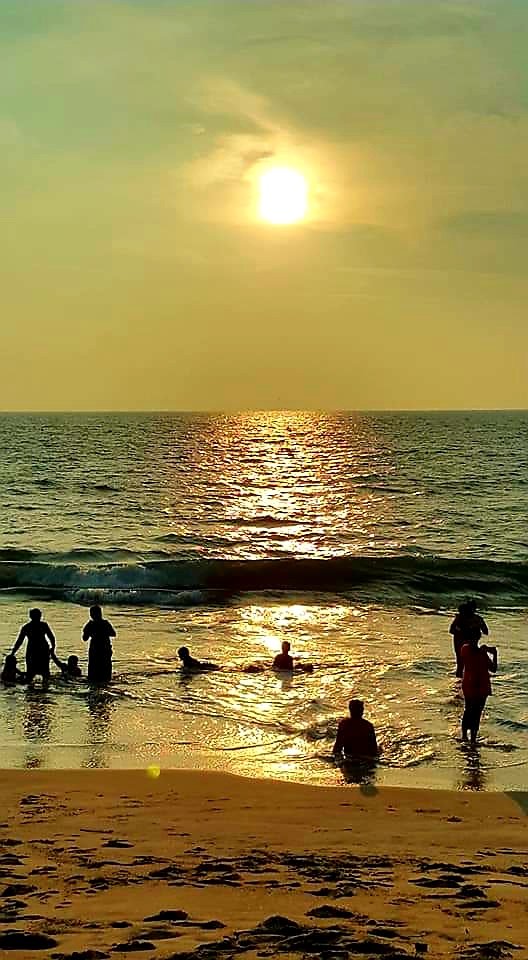
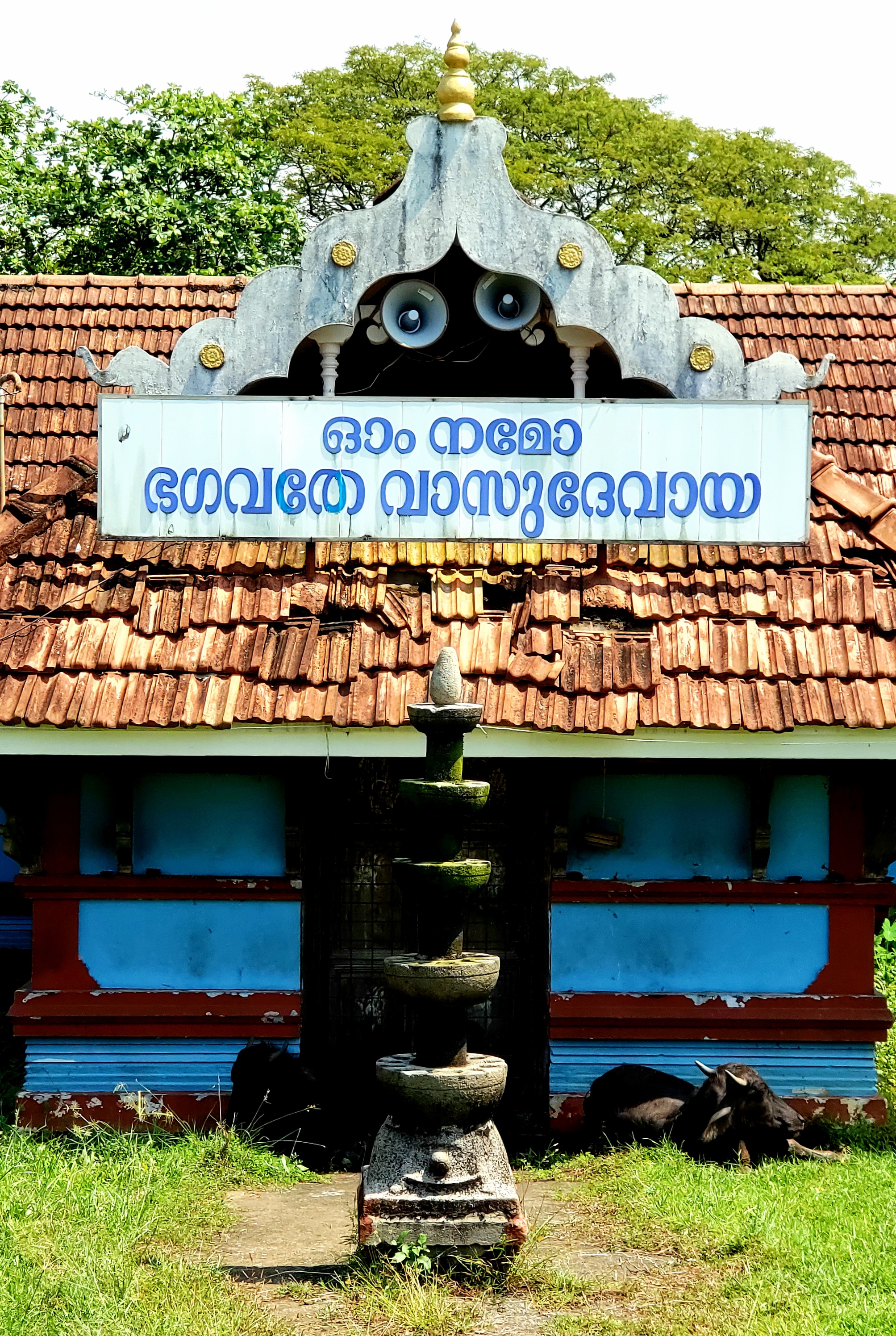
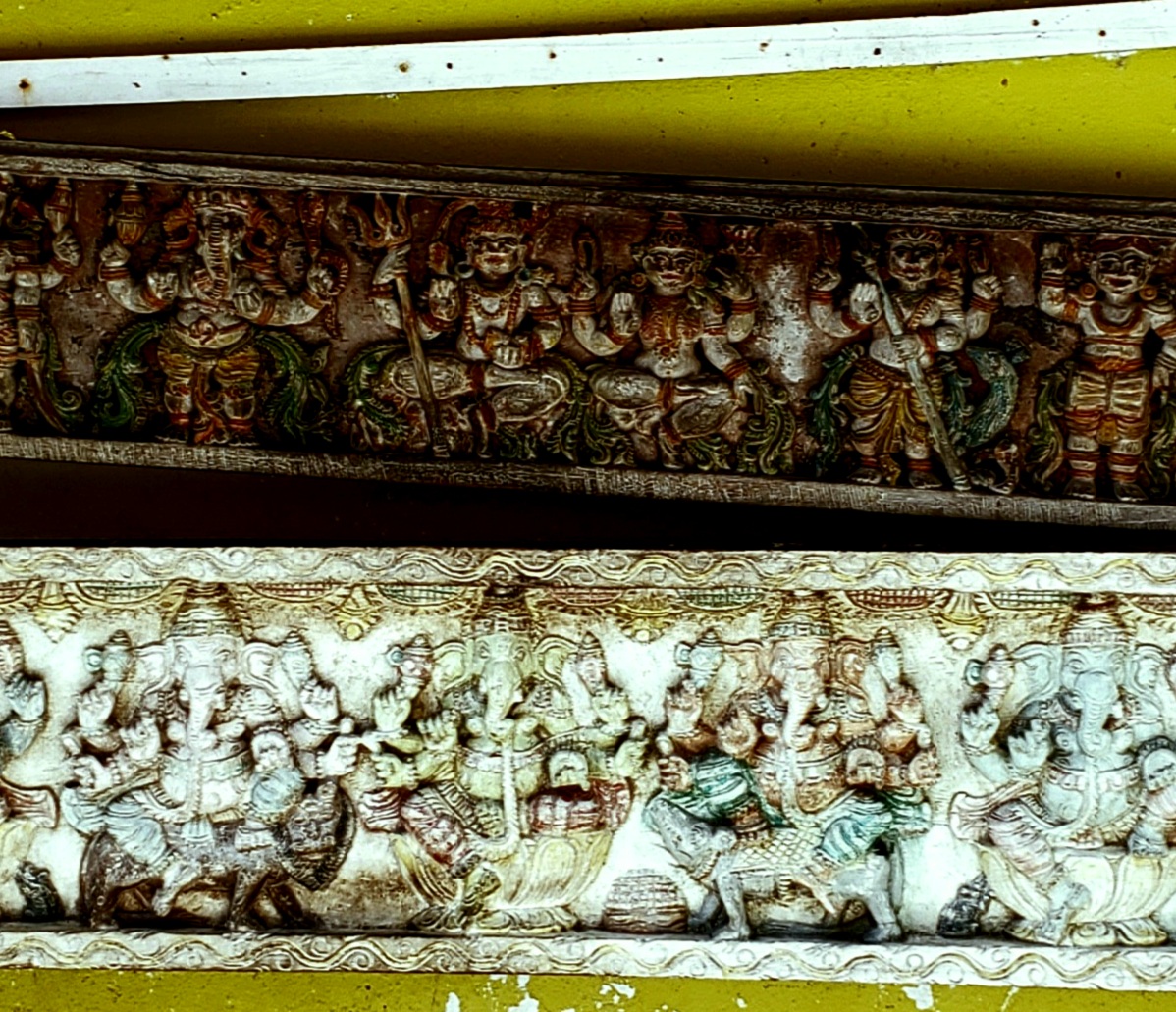
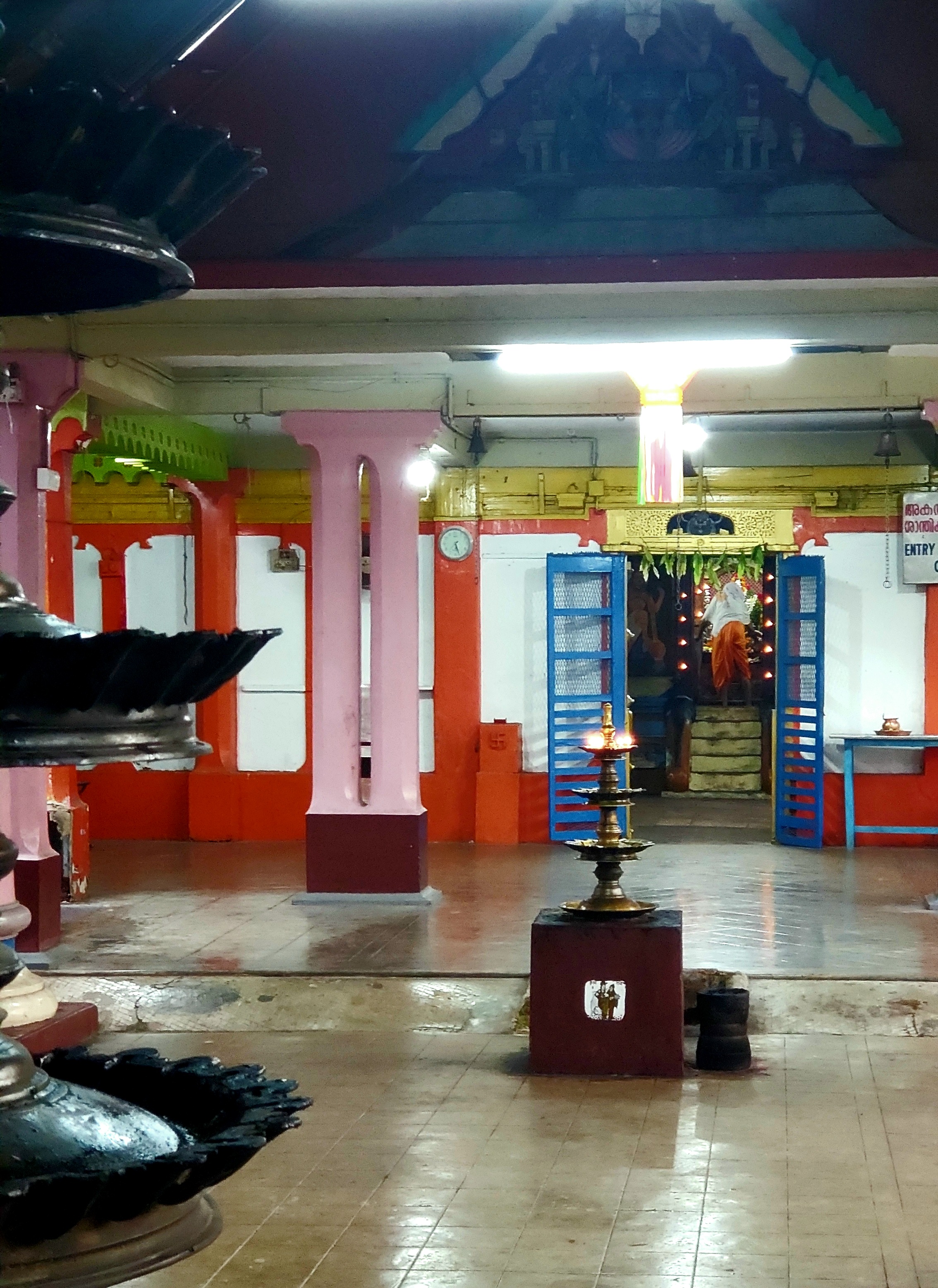
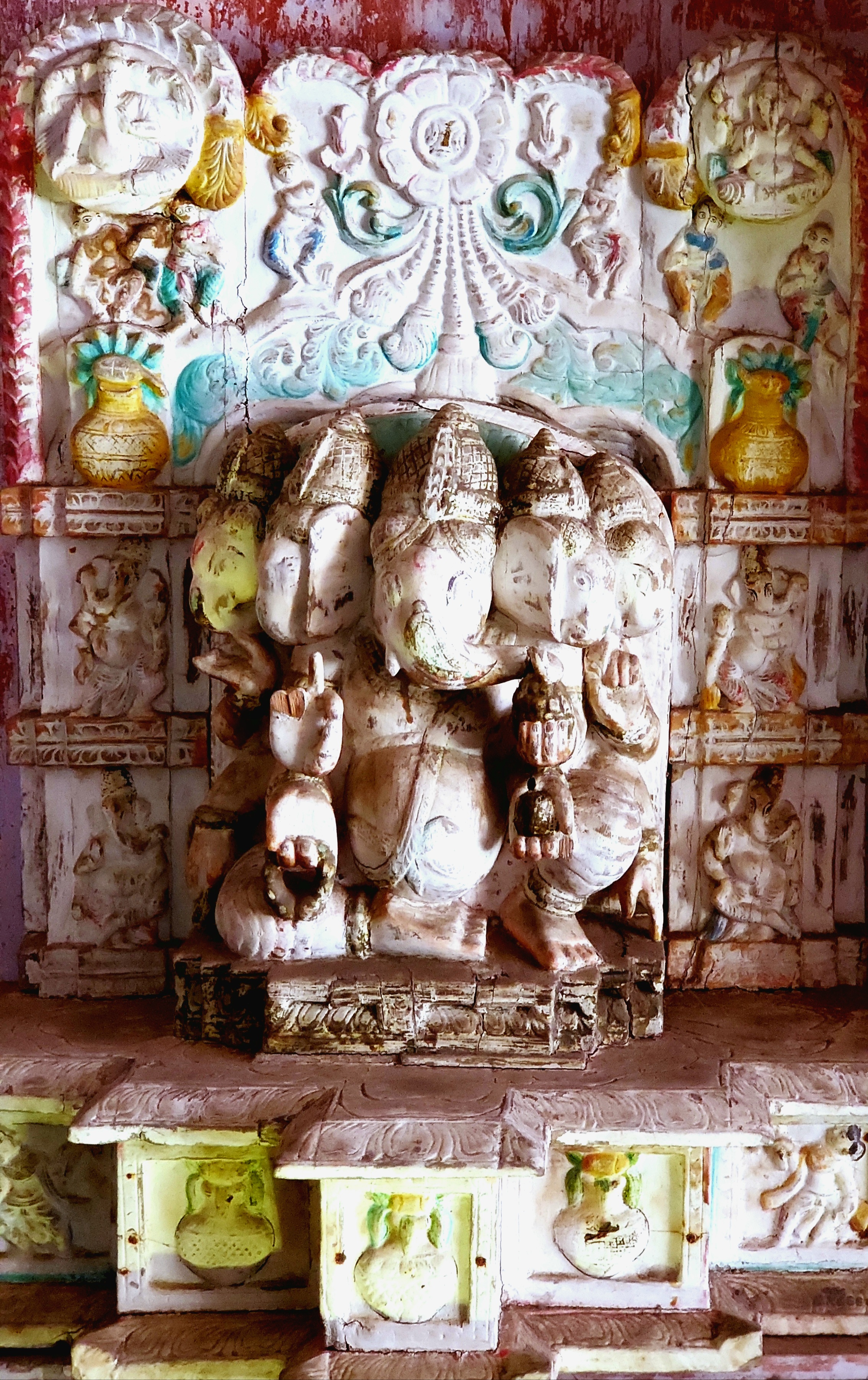
There is the heavy fragrance of the raatrani trees after the rain. The crows converse louder than the people who end the day at the waterfront. The sun sets beyond a warm sea that is soft, the same color as the sky. The steam from the backwaters retreats from the river with a cool breeze in the forest. Night comes and I go to the temple. I take off my sandals. There are but half a dozen of us inside. I am greeted with smiles. The diya candles lining the walls are lit. There is the smell of sandalwood. Then there is fire, water, fruit and flowers offered to the Gods in the Tradition that is older than time. The sweet of prasad is placed in my right hand. I touch the pandit’s feet.
The morning brings the fishermen back from their nighttime hunt. They are spindly, frail looking, but that is an illusion. They are stronger than leopards and are just as black and shiny. Their bundles are heavy, larger than desire, and they form teams of twenty to haul their wooden longboats, painted the colors of toys, out of the water. They call me over to help them push as they pull the boats with hemp ropes until the shade of the palm trees. Of course they don’t need my help. Their smiles are bright and perfect as mirrors. I try to return their palaver with a few words in Hindi and they respond with even less in English. Brasil, I say. I know they want to know where I am from, but I cannot communicate in their ancient language. Afterwards, I wash sweat and sand in the ocean.
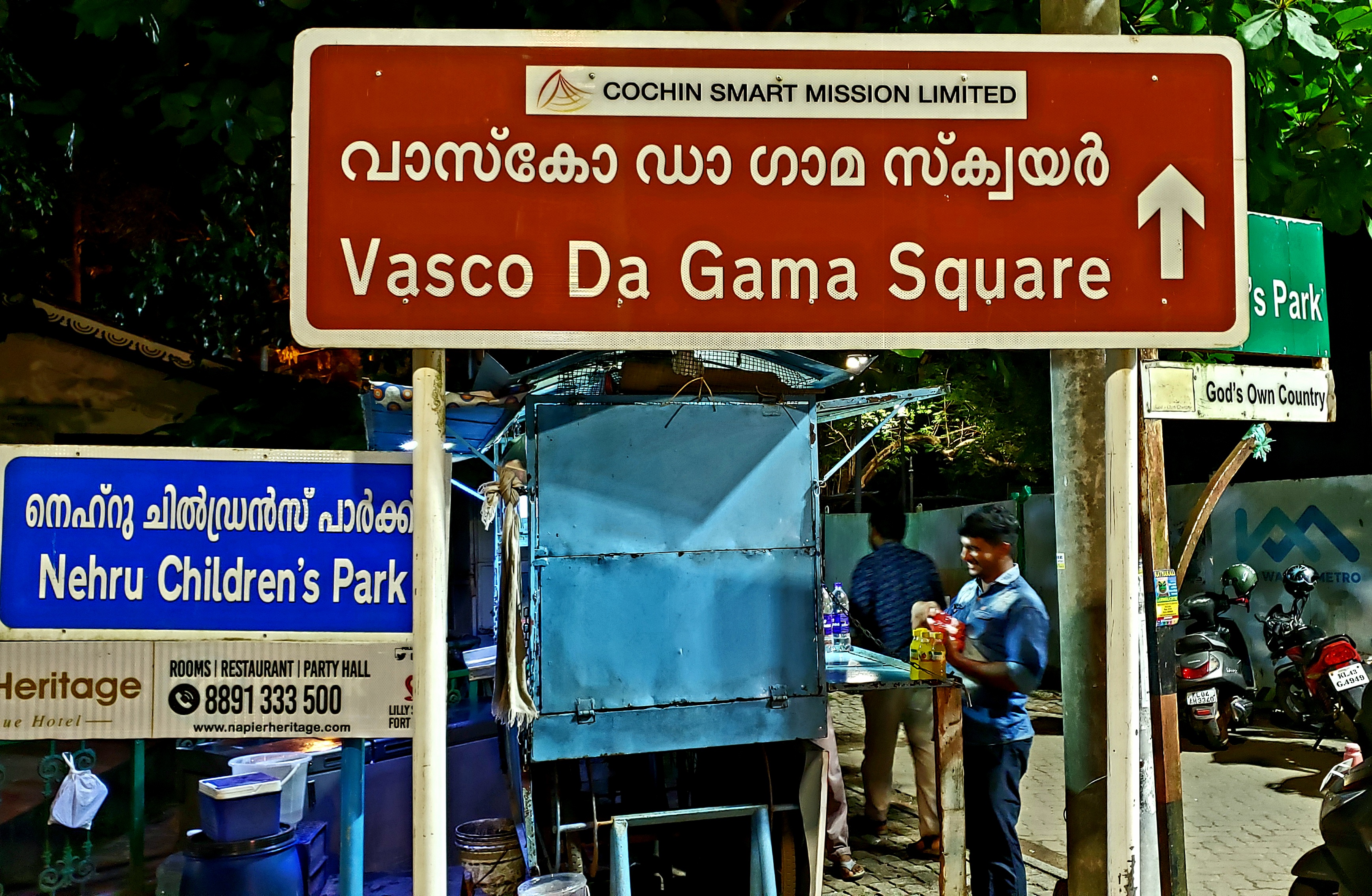
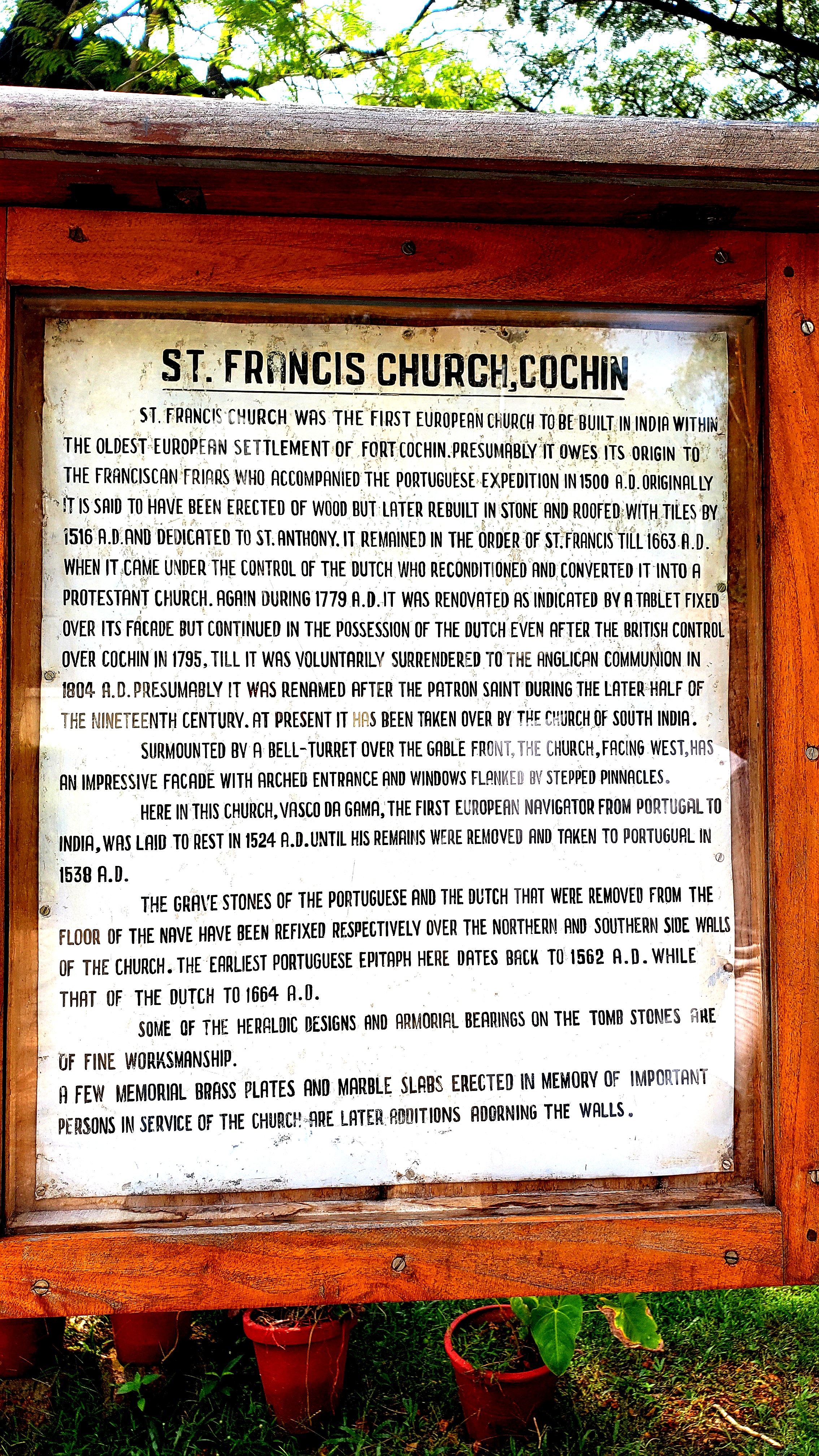
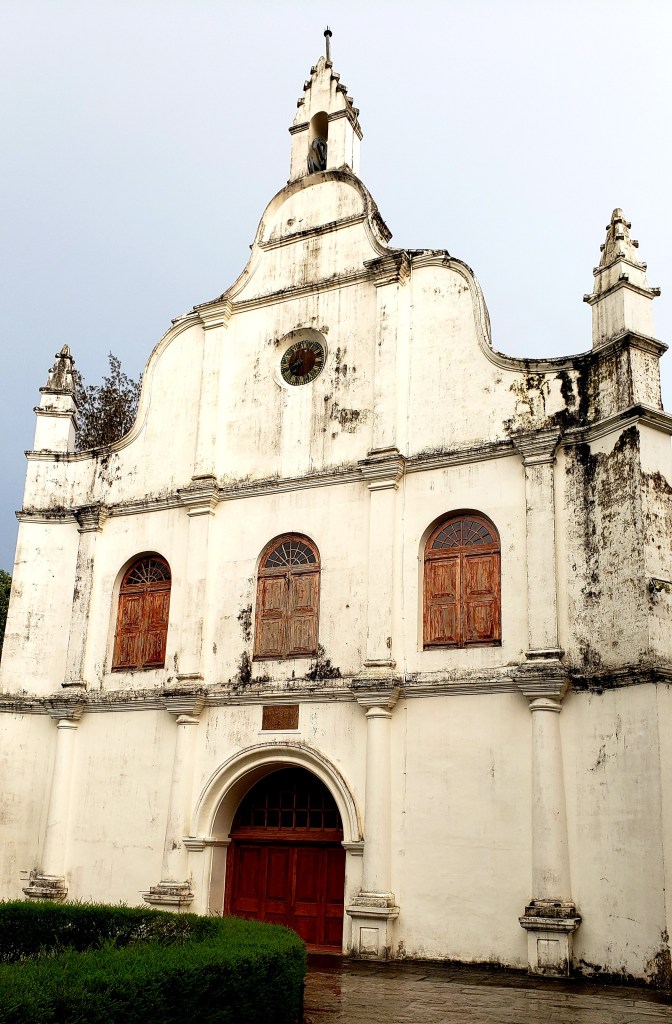
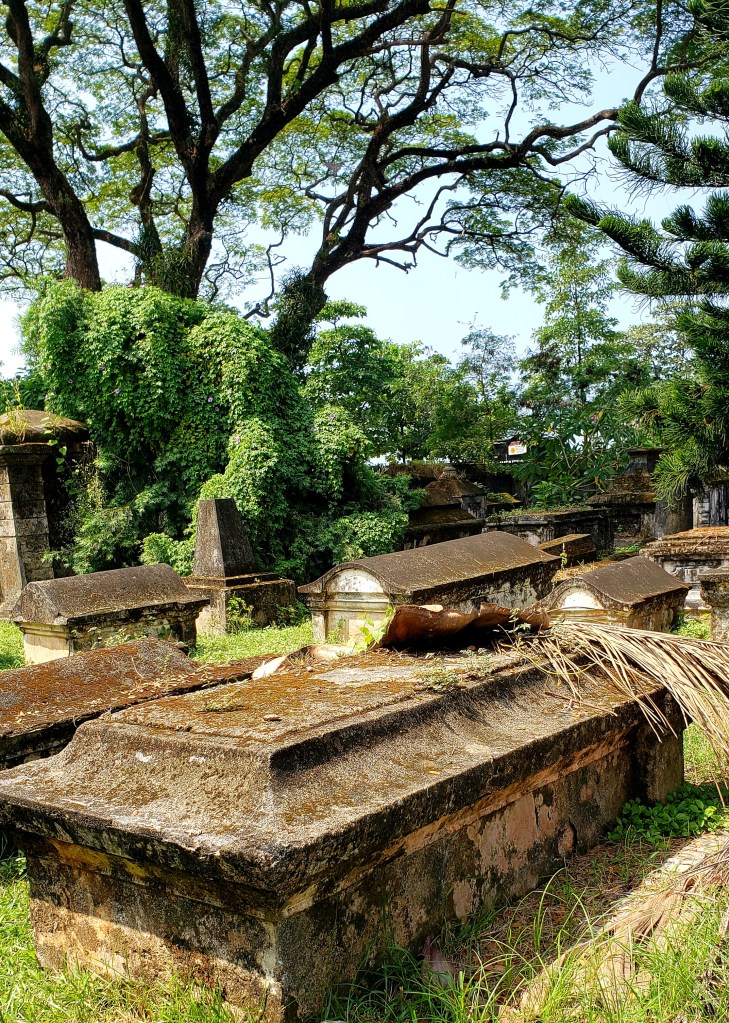
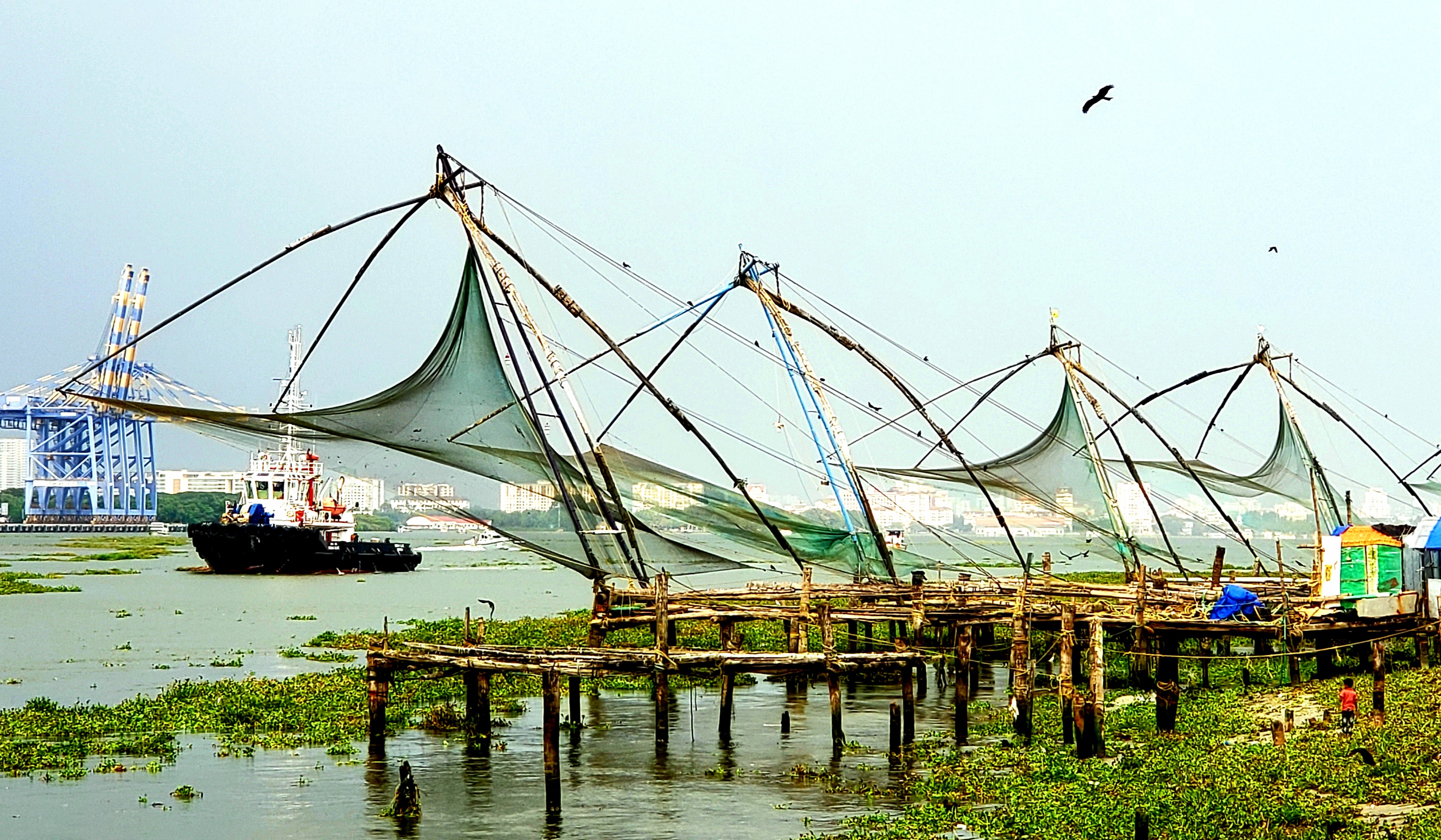
Swimming, I think that their ancestors must have asked the same question of Vasco da Gamma when he made it here to the Malabar Coast. The most coveted shore in all the world, cited in the Bible and by the ancient Greeks, Egyptians, Romans, Hebrews, Arabians and Persians. The Chinese had already found it. Their fishing nets can still be seen today, dancing over the ocean like spiders’ webs. The Chinese took back malabarism – all the arts and disciplines both martial and corporal of the body, fighting with fists and legs, with poles, with swords, the arts of dancing and juggling. Their gymnastics were among the many feats Vasco da Gamma discovered when he brought Portugal to India. The great mariner died here and was first buried here. Later, his son came to take him back to Portugal, most certainly leaving yellow gold to take back the black – black pepper, cinnamon, cardamon, nutmeg and mace – just as it has been done for thousands of years.
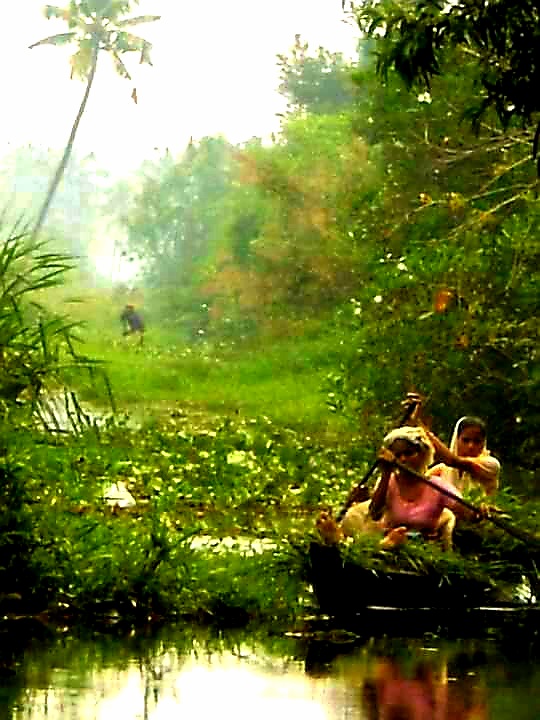
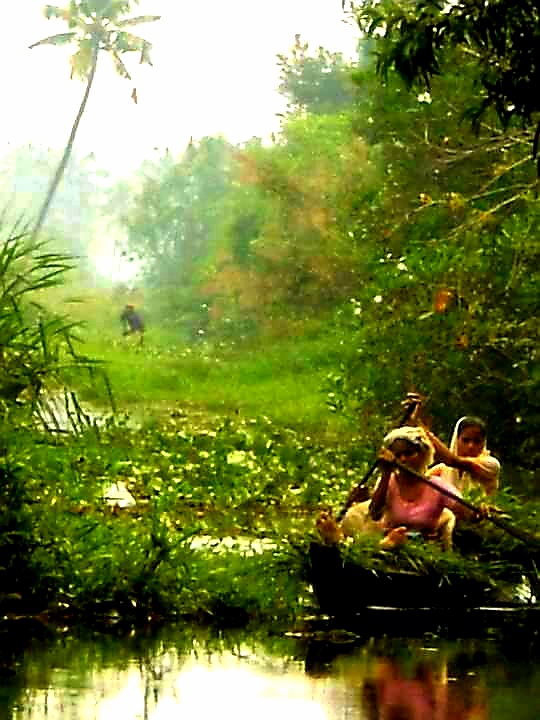
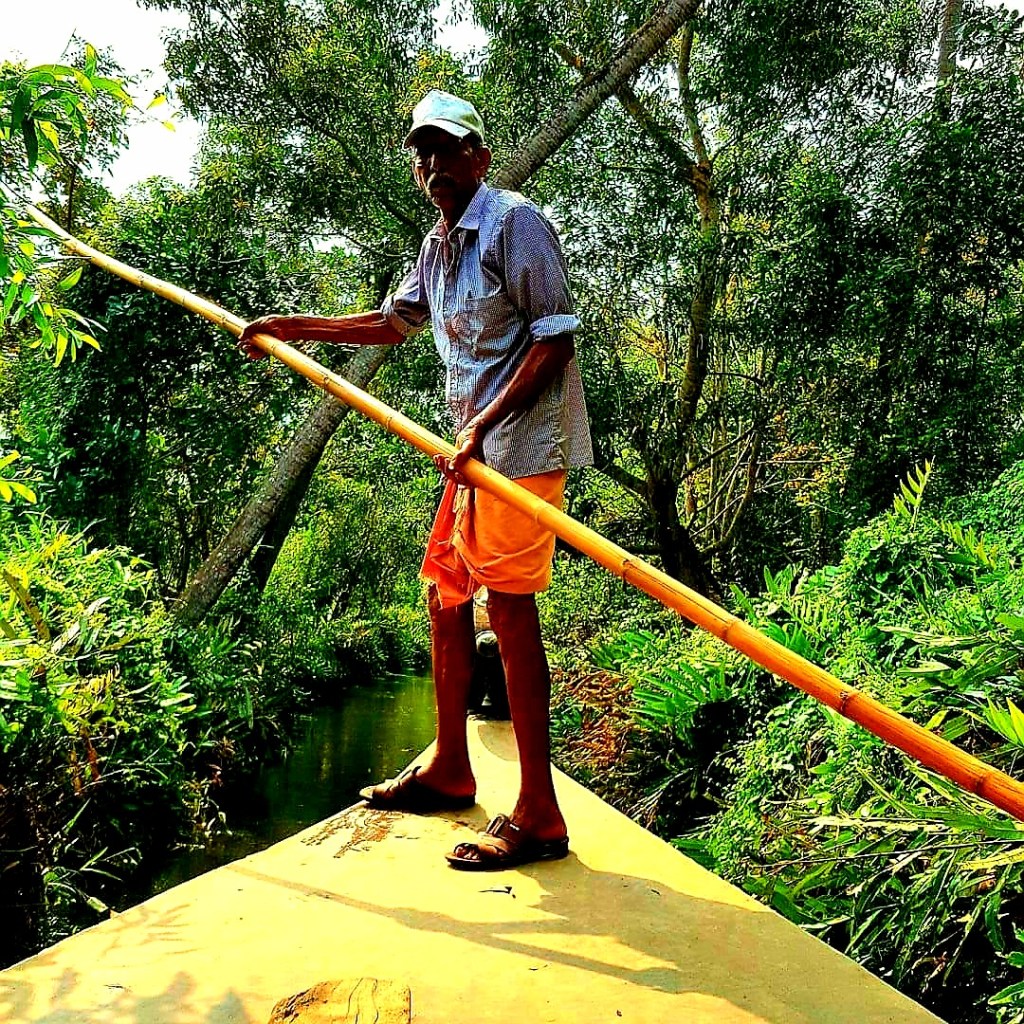
An afternoon in the Backwaters, I kayak the ancient streets of dark water that cut through the verdant lush, passing between houses strung with laundry. It has the quiet that only the forest provides. There is the occasional glare of curiosity, which is followed by a smile.
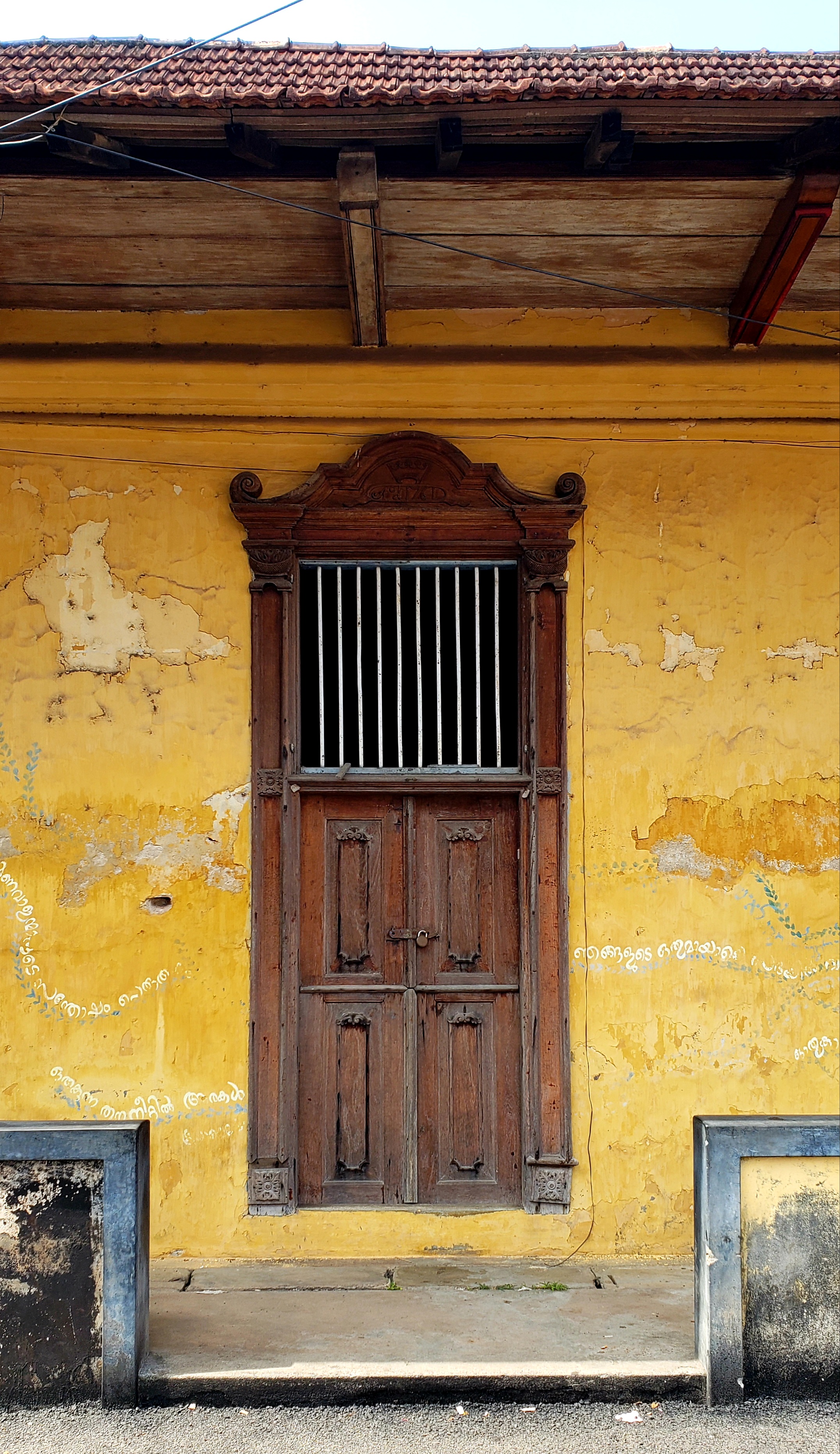
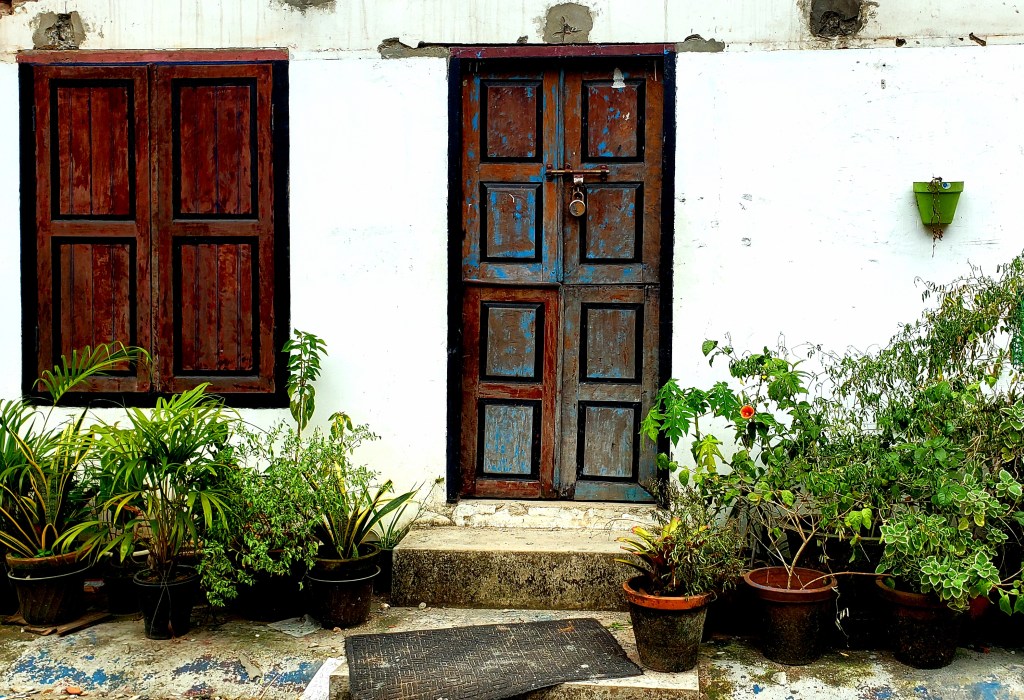
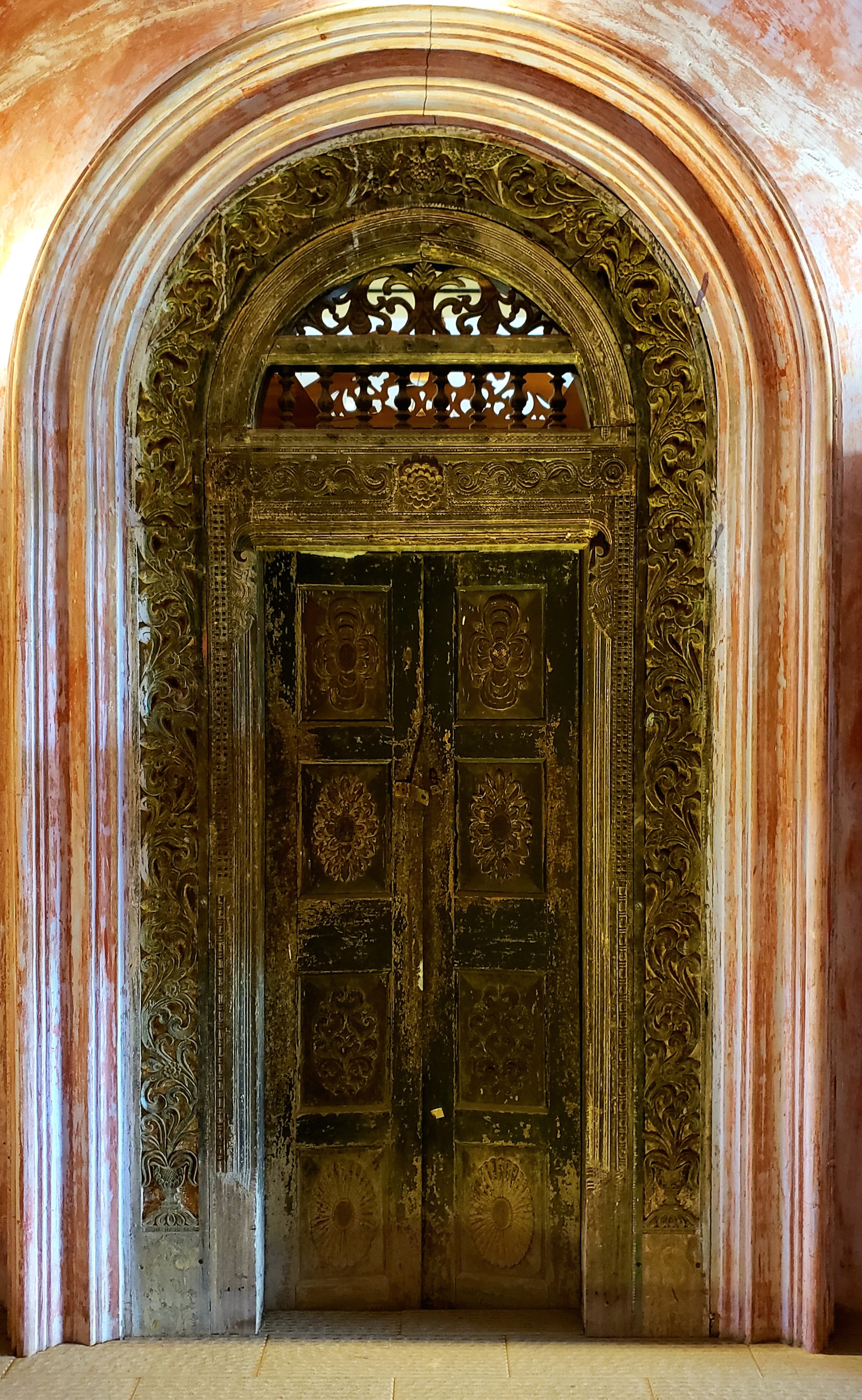
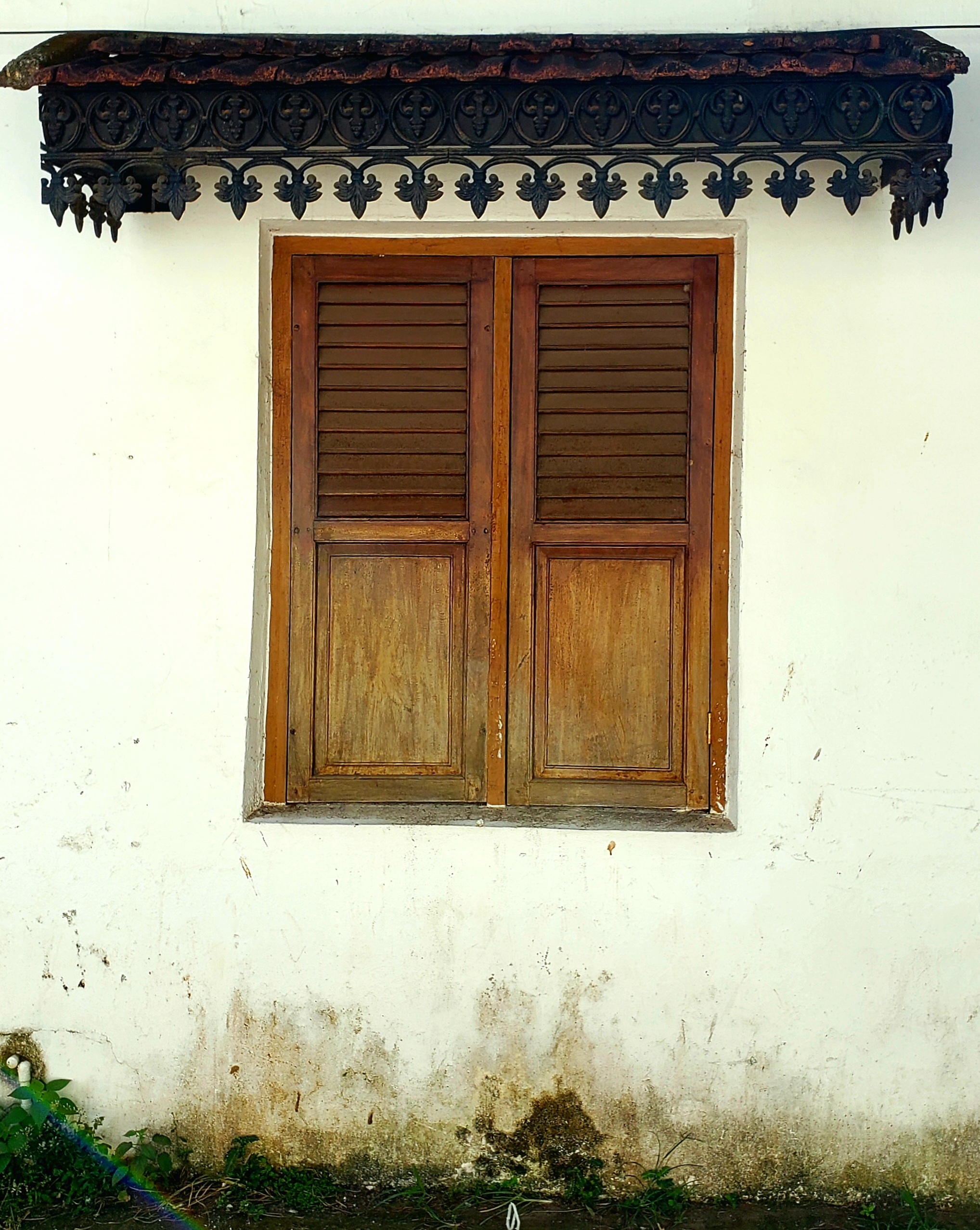
The busy streets of Jew Town and Mattanchery are still filled with spice shops, where young French and German couples carry babies on the tours. There are Indians from all over the Republic. They also don’t speak Malayalam and they carry on in English. In the new world of Instagram, Indians from all over flock to the colorful Portuguese doors all along the coast to get their shots. Some have teams of hairstylists and other artists to assist them. Despite the patience of Indians, the natives tire of them and ask them not to take pictures at their doorsteps.
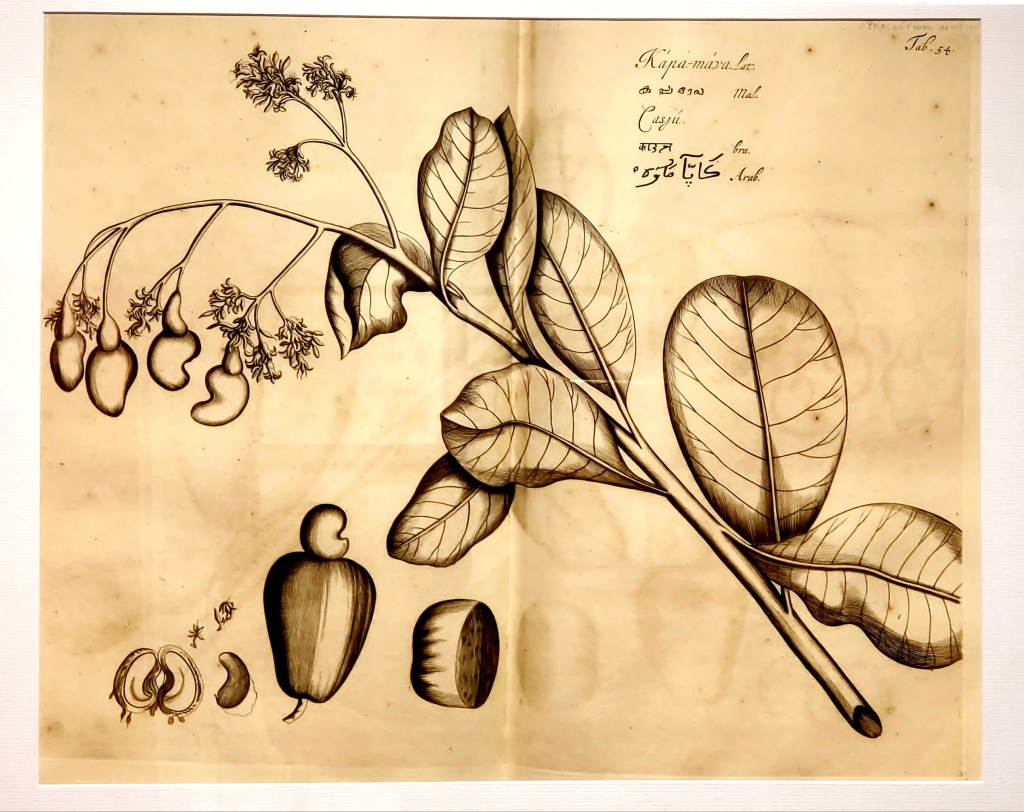
Buying cashew nuts, everyone thinks the delicacy is Indian, unaware the tree comes from Brazil. Having connected Europe, Africa, the Americas, India and Indonesia, the Portuguese had certainly mixed up the peoples, but also the tropical fruits of the world.
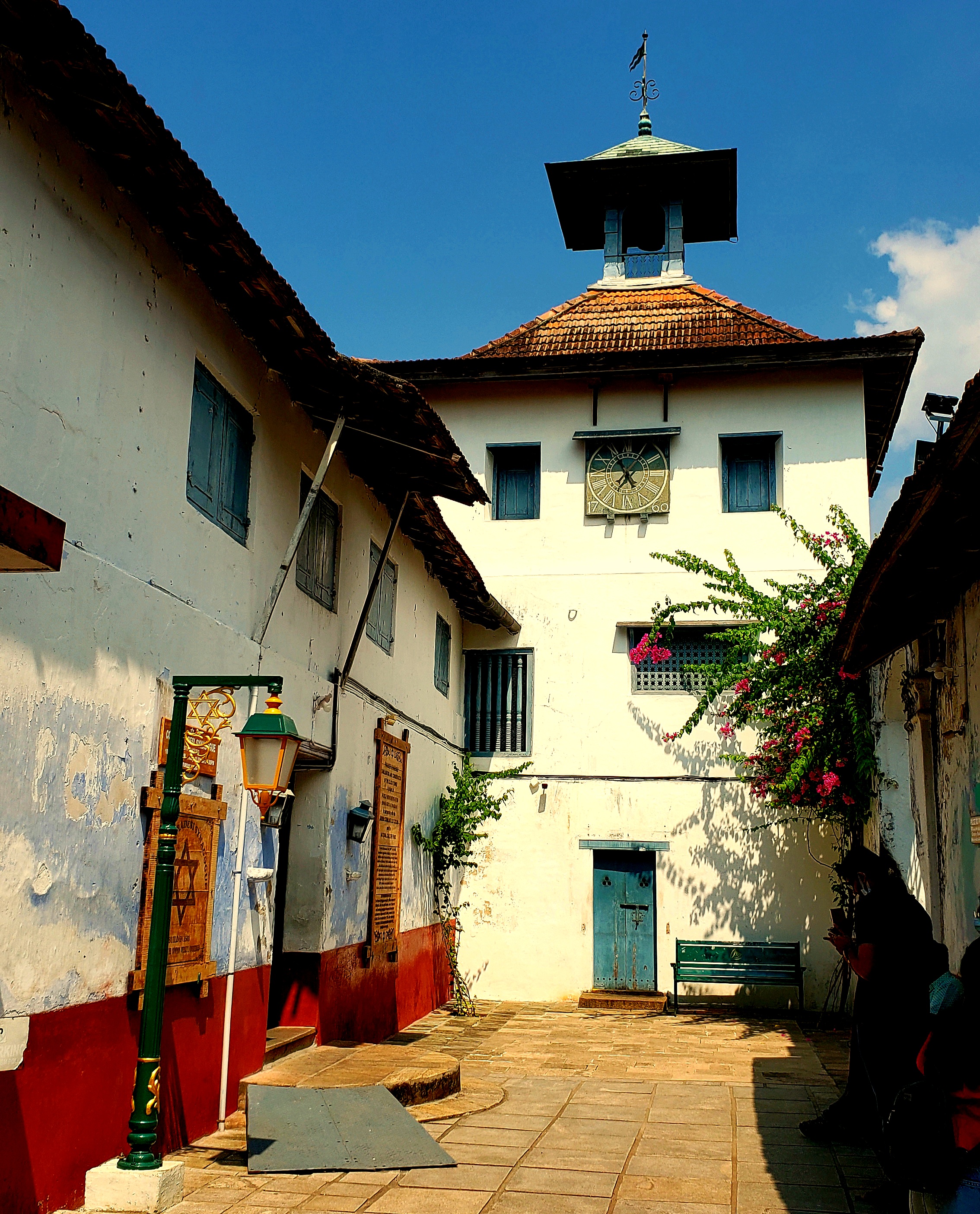
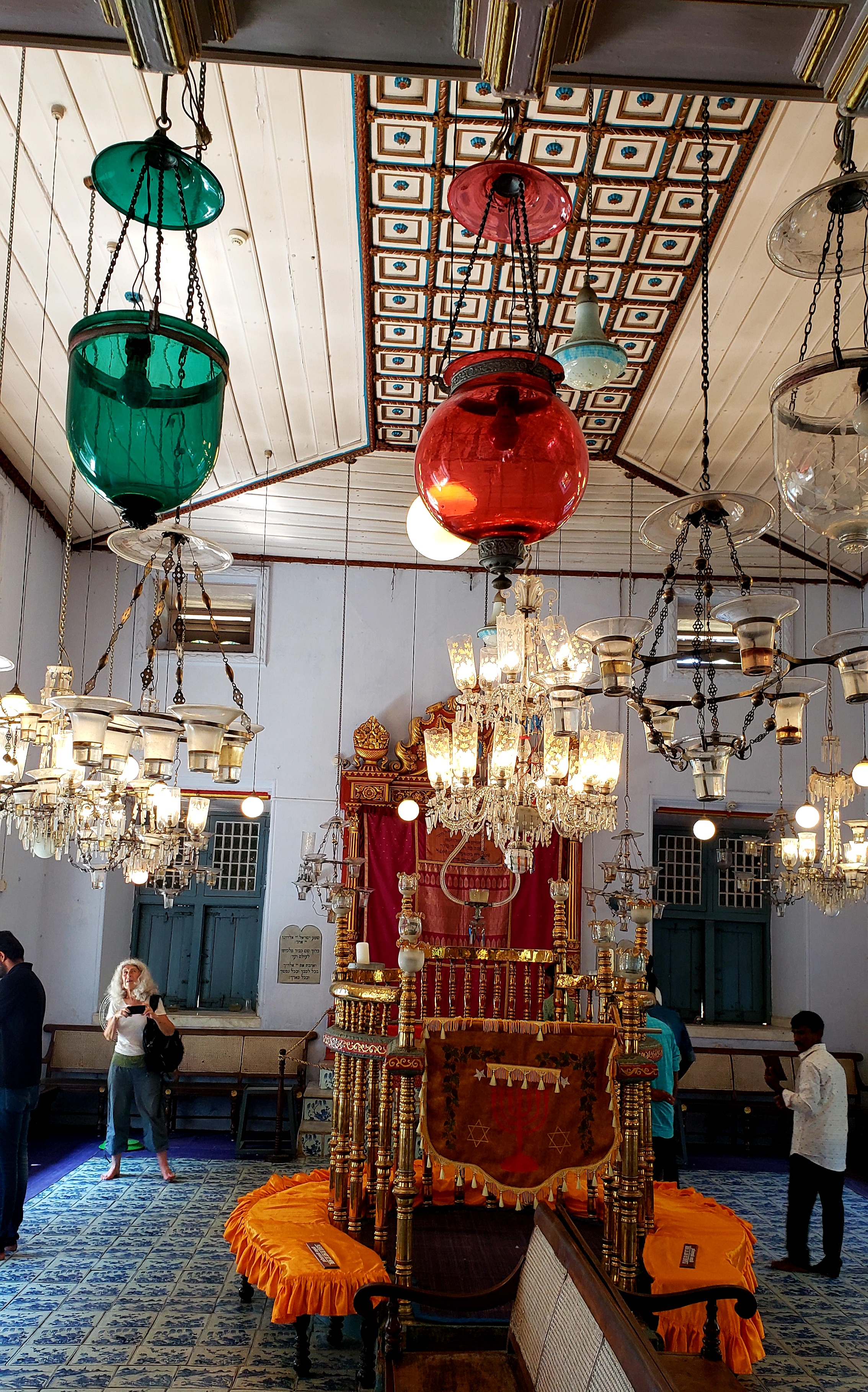
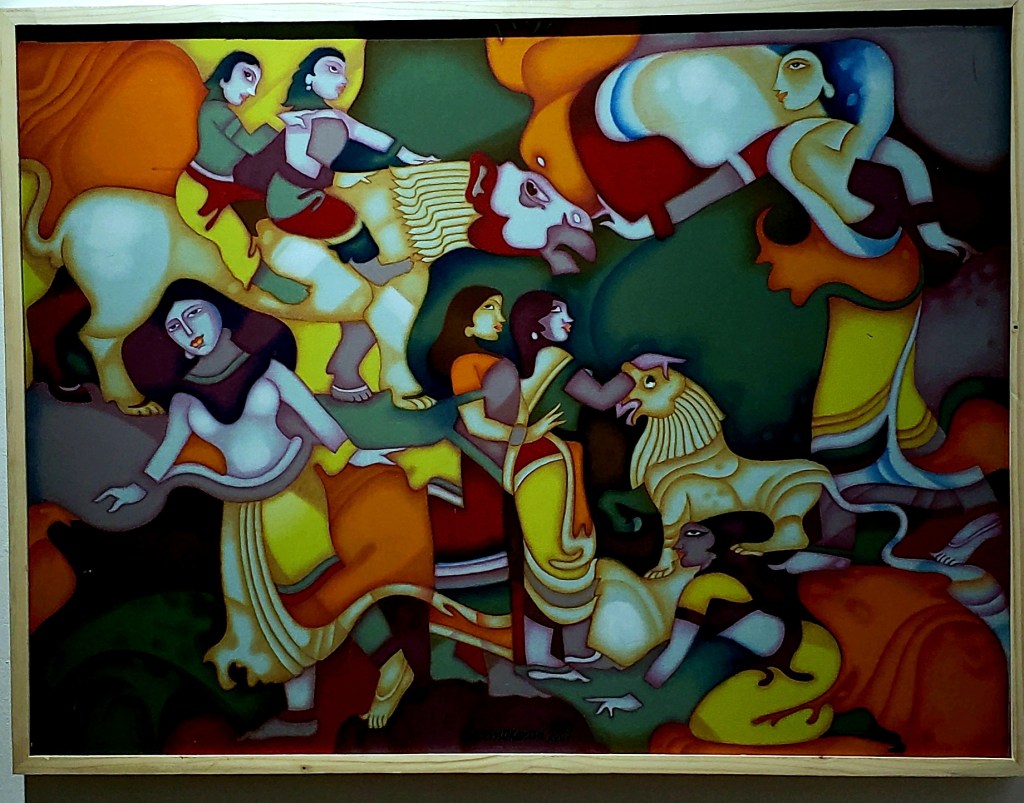
The tourists visit the old synagogue – Jews having found a safe harbor in antiquity, just like Parsis and Syrian Christians. “St. Thomas the Apostle brought Christianity to India before it went to Europe: did you know that?” asked the smiling curator of an art exhibition that has modern, geometric paintings of Indian themes hanging on the walls. We chat inside what was a grand old Portuguese or Dutch home that today is a café with European sweets. In a museum we see the history of the Varma royal family and the empires foreign and domestic that had vied for the coast. They have risen and fallen, empires that came and went, just like we all will. We will all die soon, I think. It is always good to remember that.
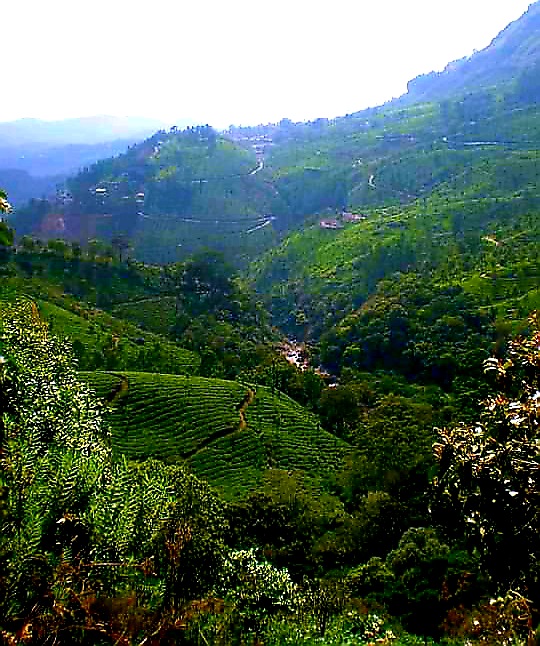
The day on the coast was so hot I remembered the cool tea plantations, so high up the green sierra from the coast that I lit a fire at night. Don’t go out at night, they said, There may be elephants, they had said, which are not the decorated temple elephants you are used to.
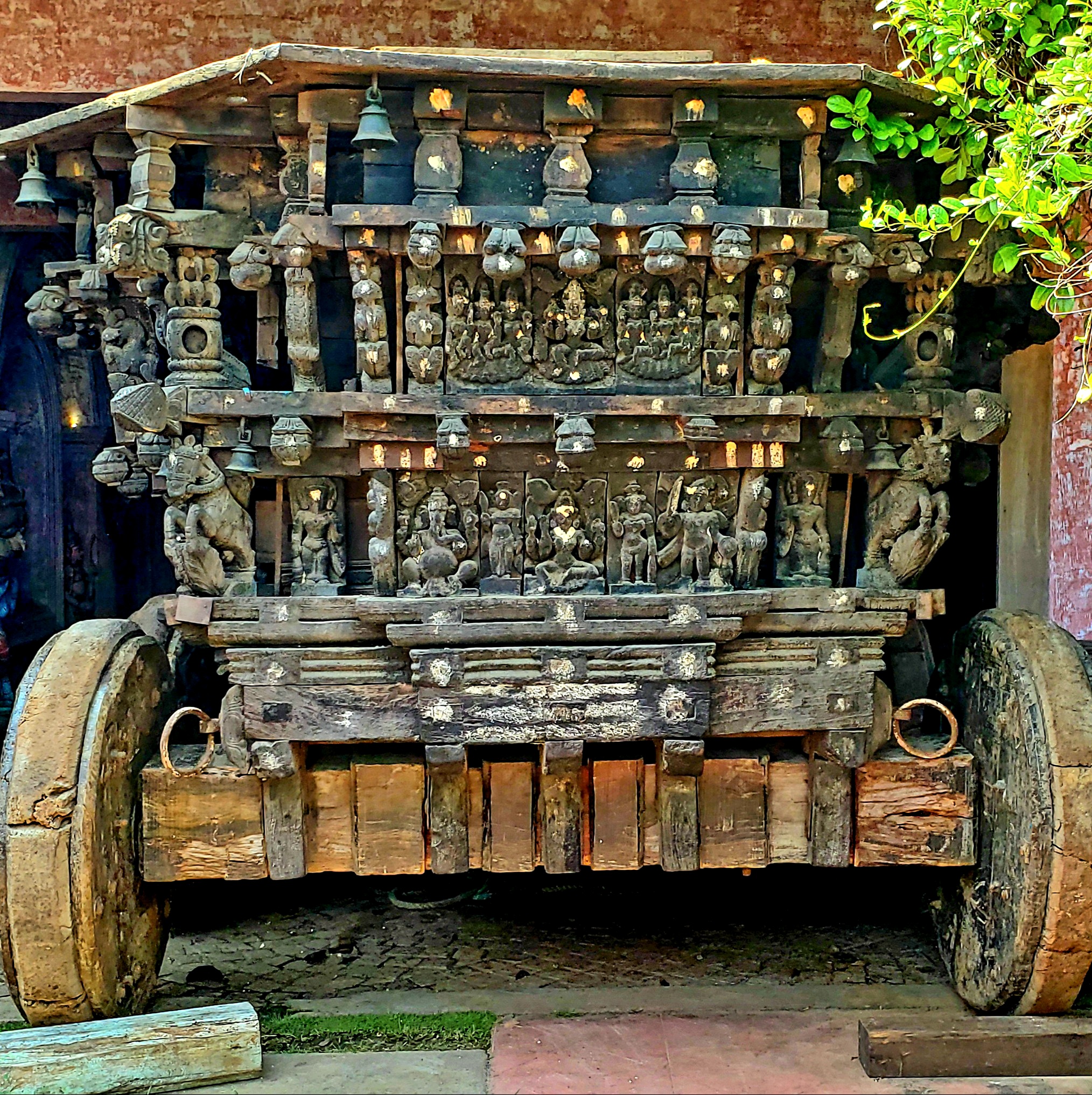
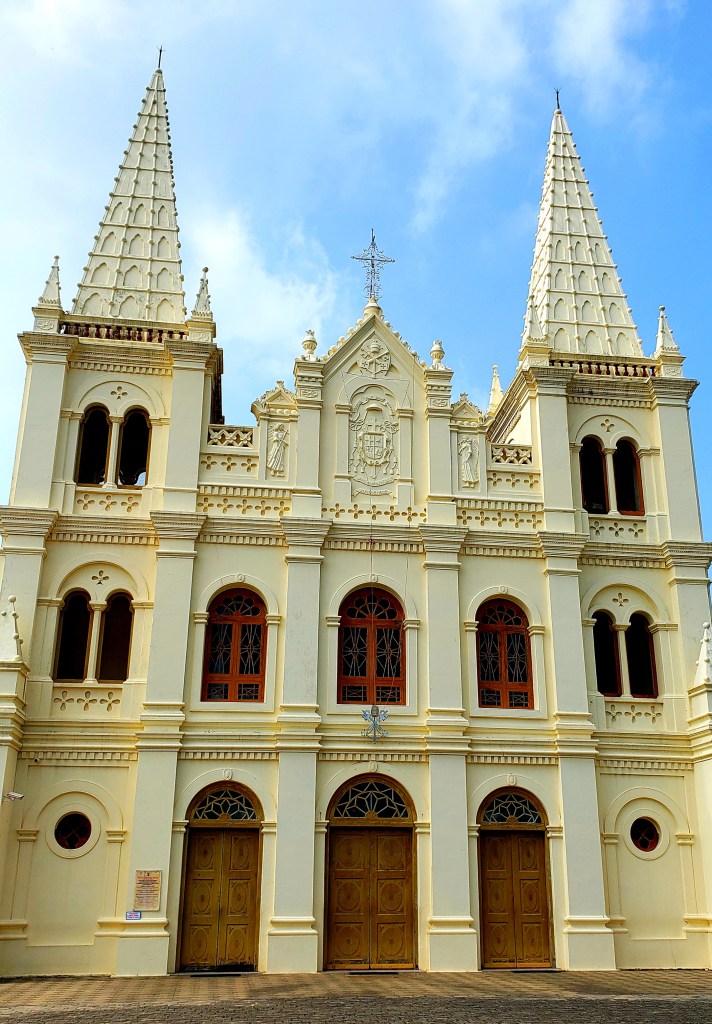
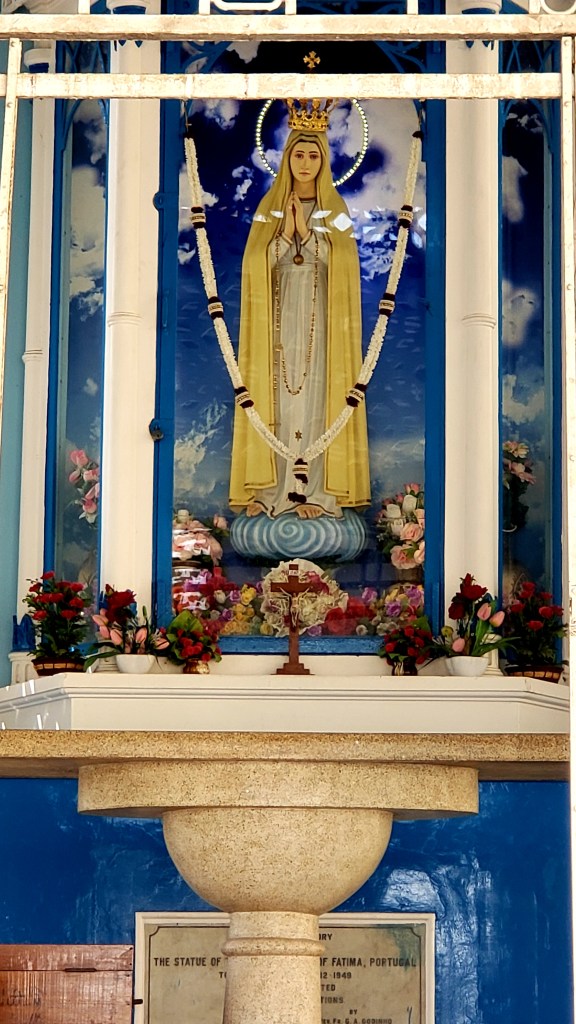
Hustling between the churches and temples Jain and Hindu. There are many mosques. Muslim tuk-tuk drivers smile when they see my head wrapped in a turban to protect me from the hot sun. All religions are here. All the ways to find God are here. They have all found a home in Kerala. Maybe it is better that way, I think, Where the differences are right next to each other is when we learn, where we grow.
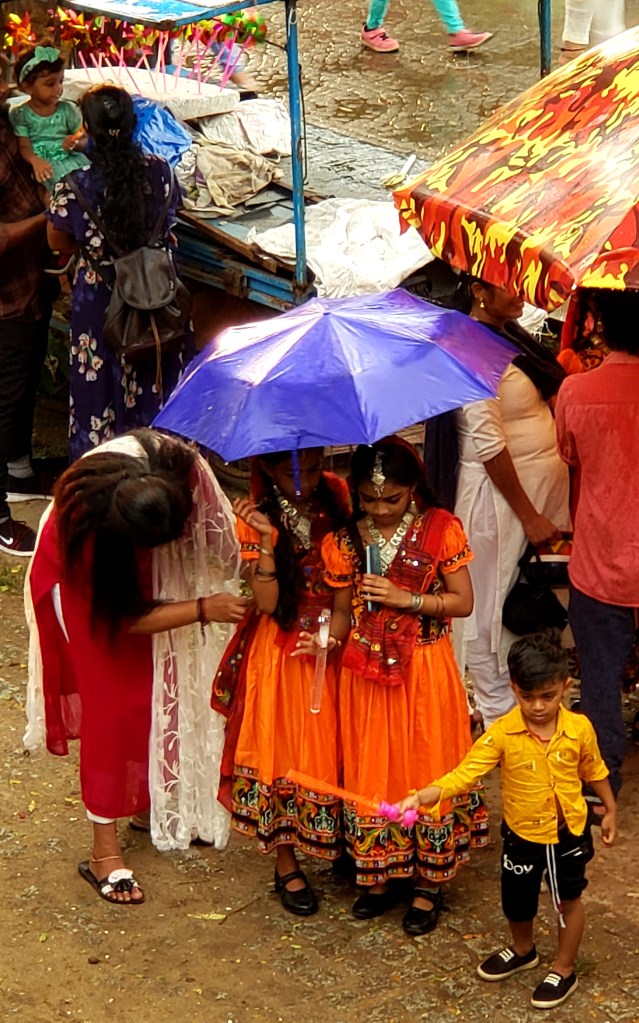
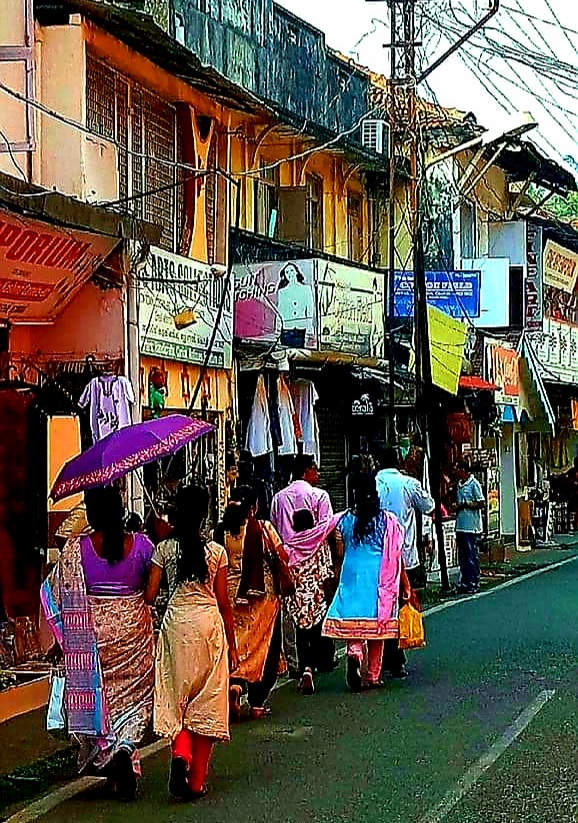
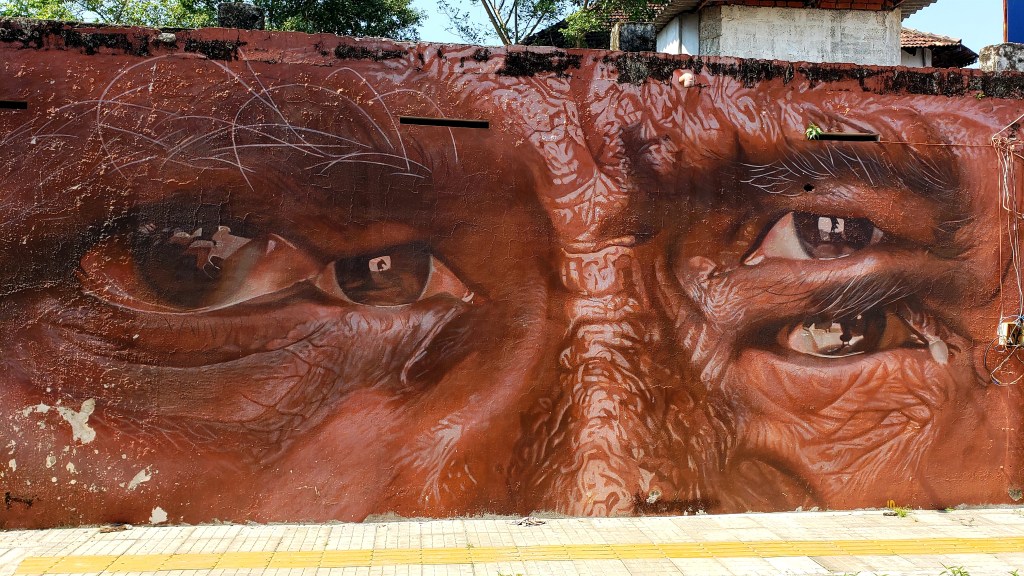
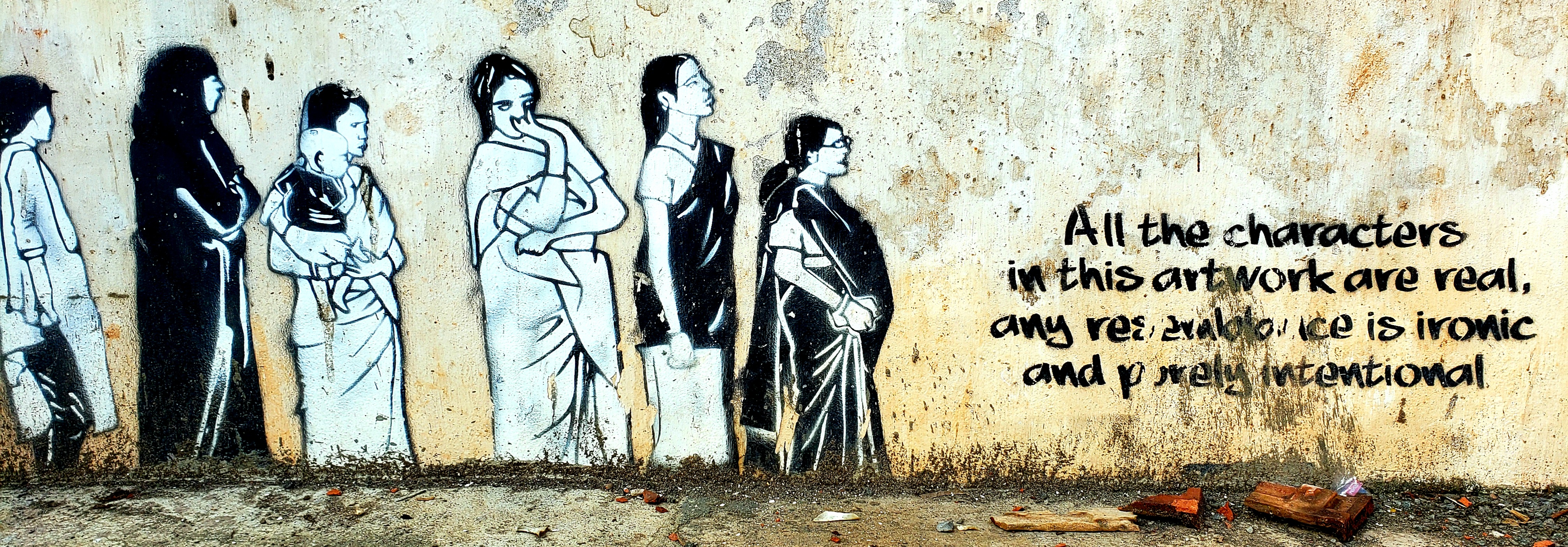
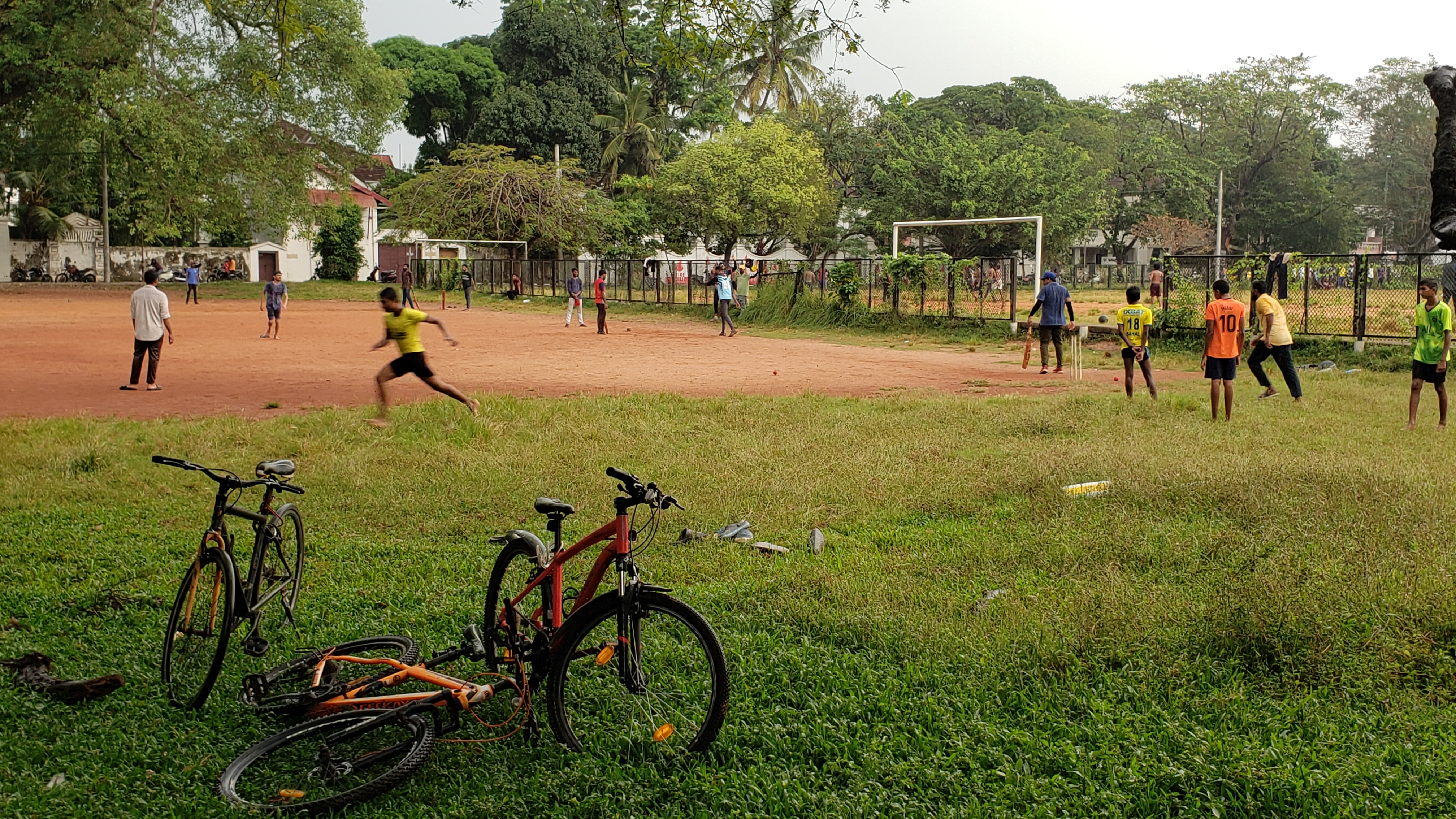
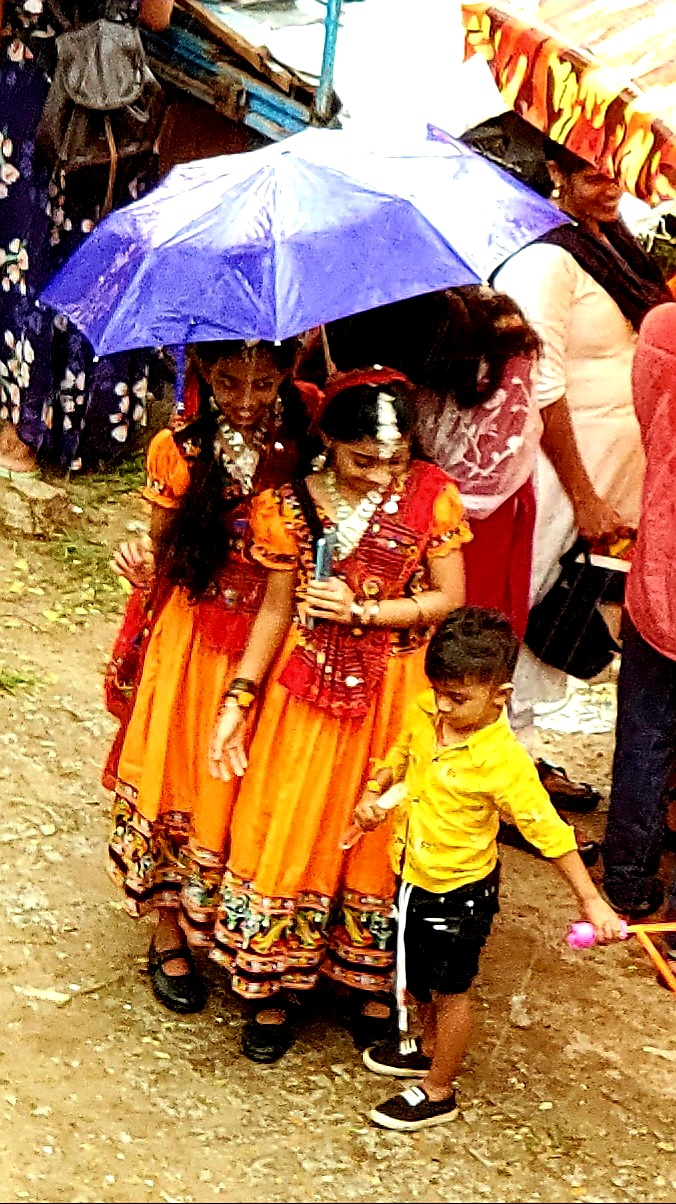
Boys play cricket in the park. Others play football under a raintree so great the canopy almost covers the park. Women walk so elegantly with umbrellas to protect against both sun and rain. Their clothes of bright colors catch the eye. A cat climbs a palm tree to hunt a squirrel and the crows stop him. There is street art with messages for me. Art is everywhere. A kingfisher in brilliant blue flies by, hunting the canals for fish. The tuk-tuks beckon me as they chug on by.
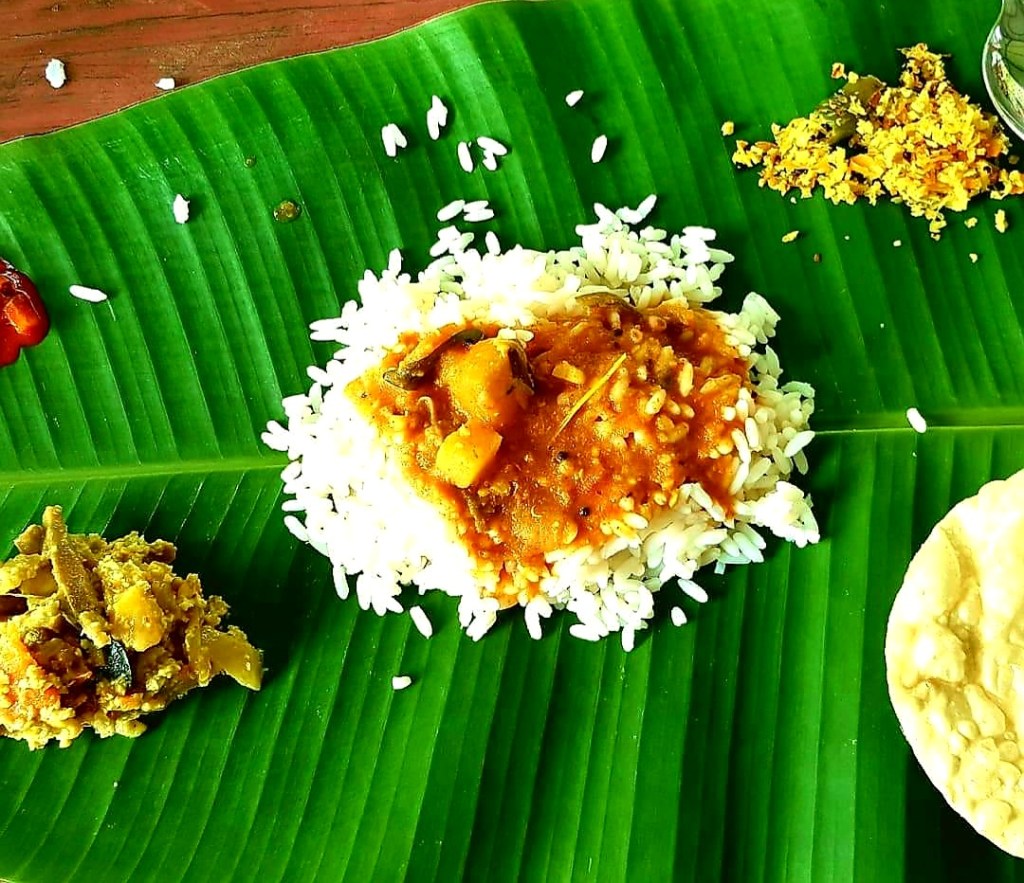
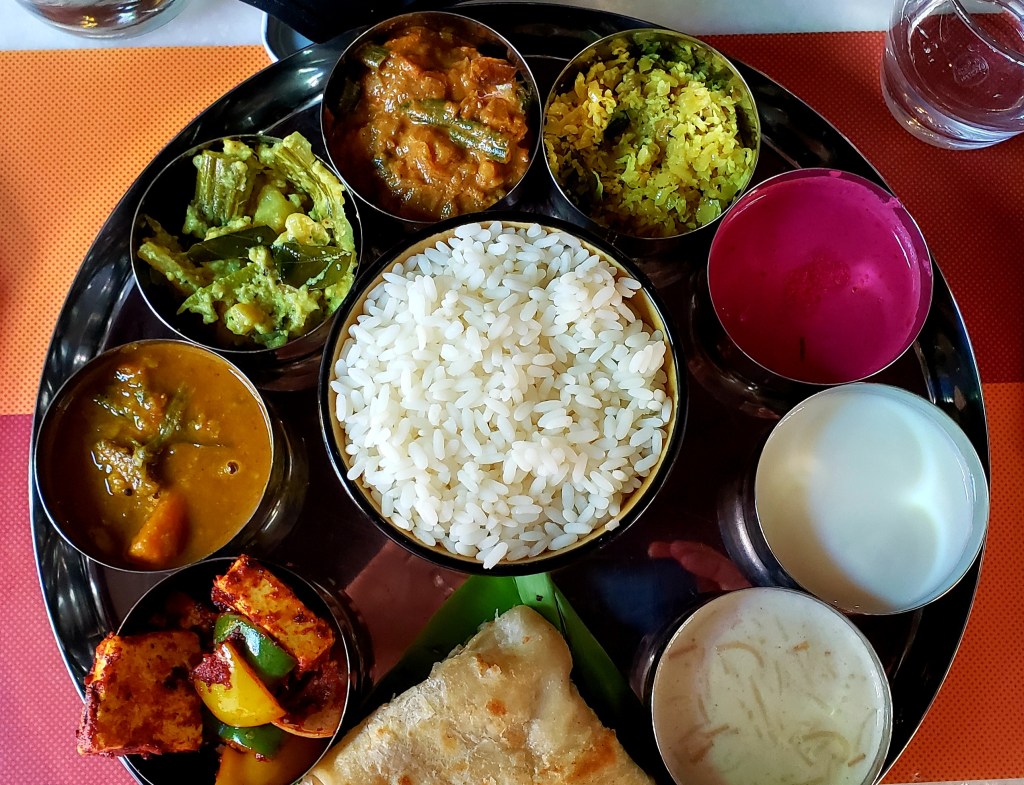
Idli rice cakes are cooked for breakfast with a spicy sambar. For lunch, we have traditional sadhya served on a banana leaf, licking the all the flavors, fiery, sweet, salty, sour, bitter from our fingers. Another day, we have Italian food. There are more smiles and I think the Keralan people are so beautiful. The ferry boat arrives, bringing a noisy horde of motor bikes. Islands of water plants float by to choke the port.
It is my fourth time to Kochi – to Muziris – the site of the allusive port that has certainly changed over the centuries, layered and buried, yet sprouting anew. To think I have never even been to the southern and northern most reaches of Kerala, yet I would need another lifetime just to know the city of Kochi. The city was cosmopolitan millennia before London and New York, Rome and Istanbul ever were.
Who knows? I think, Maybe I will have another life to know Kerala. Maybe I already had.
–
Note: The Kochi-Muziris Biennale is back this year, from December 2025 to April 2026. The last one was the experience of a lifetime for me. Don’t miss it! But certainly don’t leave this world without experiencing Kerala.
 ā•multiplicity
Leave a comment